Wondering whether a Bronx prewar apartment will feel timeless or just old? That is the question many buyers ask when they step into a building with a grand lobby, thick walls, and details you do not see in most newer homes. If you are curious about the charm, tradeoffs, and everyday reality of prewar living in the Bronx, this guide will help you know what to expect before you fall in love with a unit. Let’s dive in.
What “prewar” means in the Bronx
In New York City real estate, prewar usually means a building constructed before World War II, often 1939 or earlier. In the Bronx, that often points to older apartment houses and mid-rise buildings that came out of the borough’s major building boom in the 1920s and 1930s.
That history still shapes the feel of many Bronx apartments today. A Bronx policy report notes that 62.5% of housing units are in buildings with 20 or more units, and the Grand Concourse Historic District alone includes 61 apartment houses built between 1917 and 1959. The Landmarks Preservation Commission also describes the Bronx as one of the city’s major repositories of Art Deco apartment buildings.
What a Bronx prewar apartment feels like
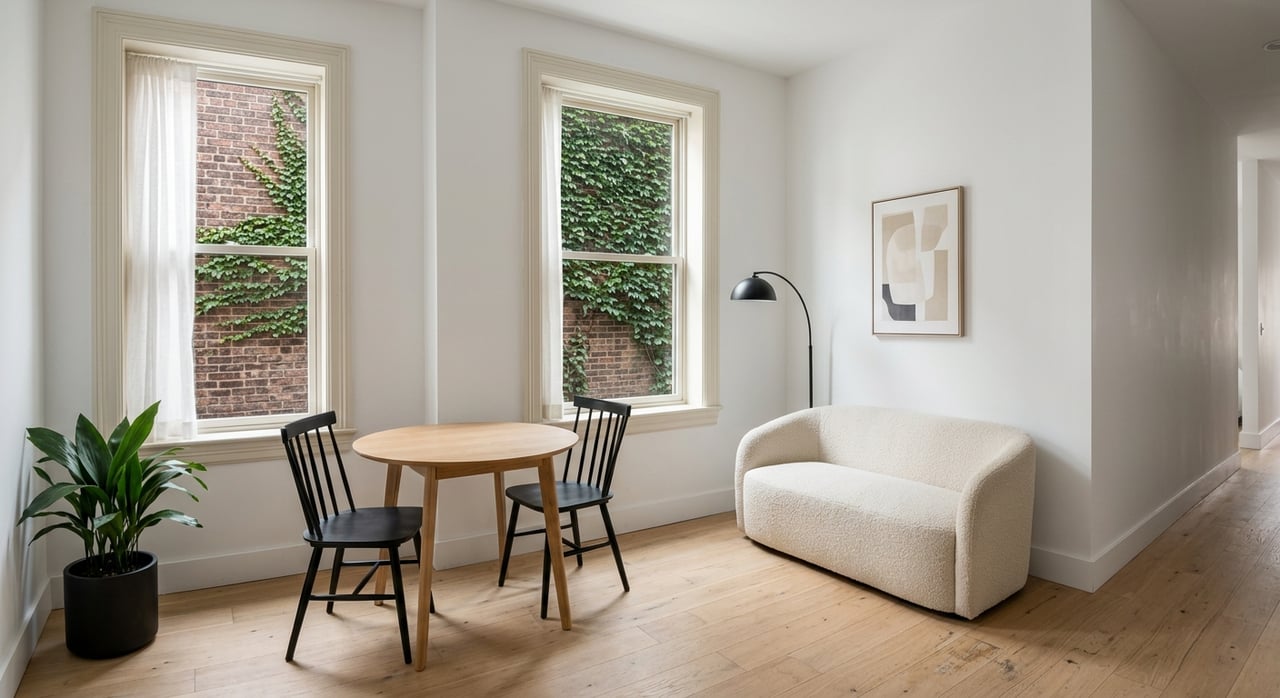
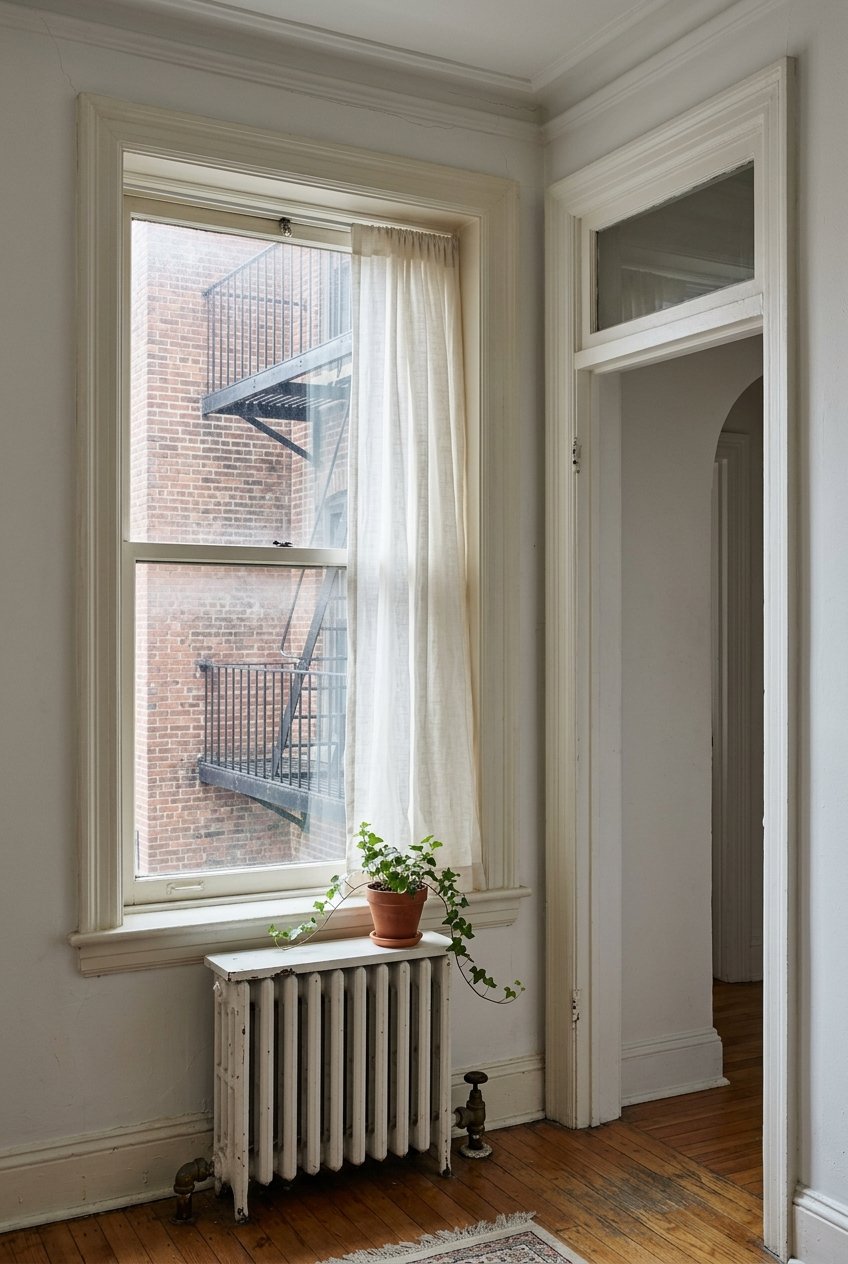
One of the biggest reasons buyers are drawn to prewar homes is the sense of space. Even when the square footage is not huge, the apartment may feel larger because prewar homes often have higher ceilings, larger windows, and more generous room proportions.
Many Bronx prewar apartments also feature details that give them character in a way newer construction often does not. Common features include hardwood floors, solid wood doors, hand-finished plaster walls, moldings, and layouts with clearly defined rooms instead of one large open area.
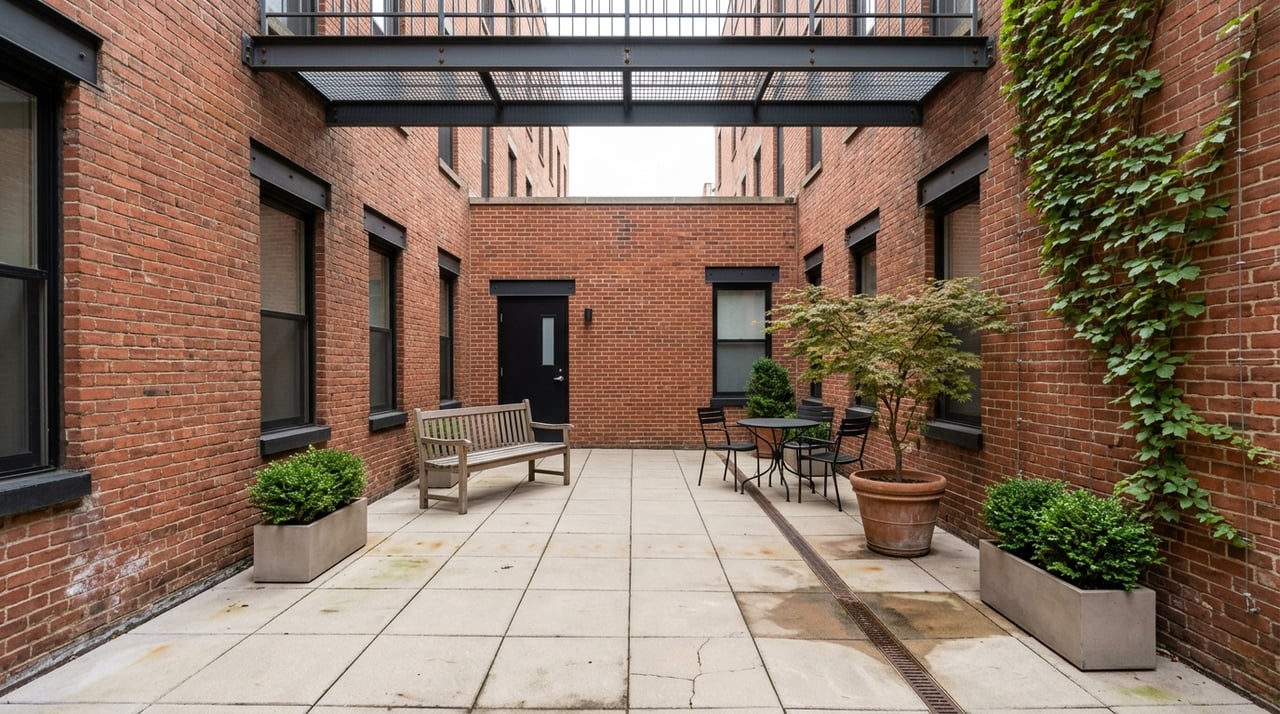
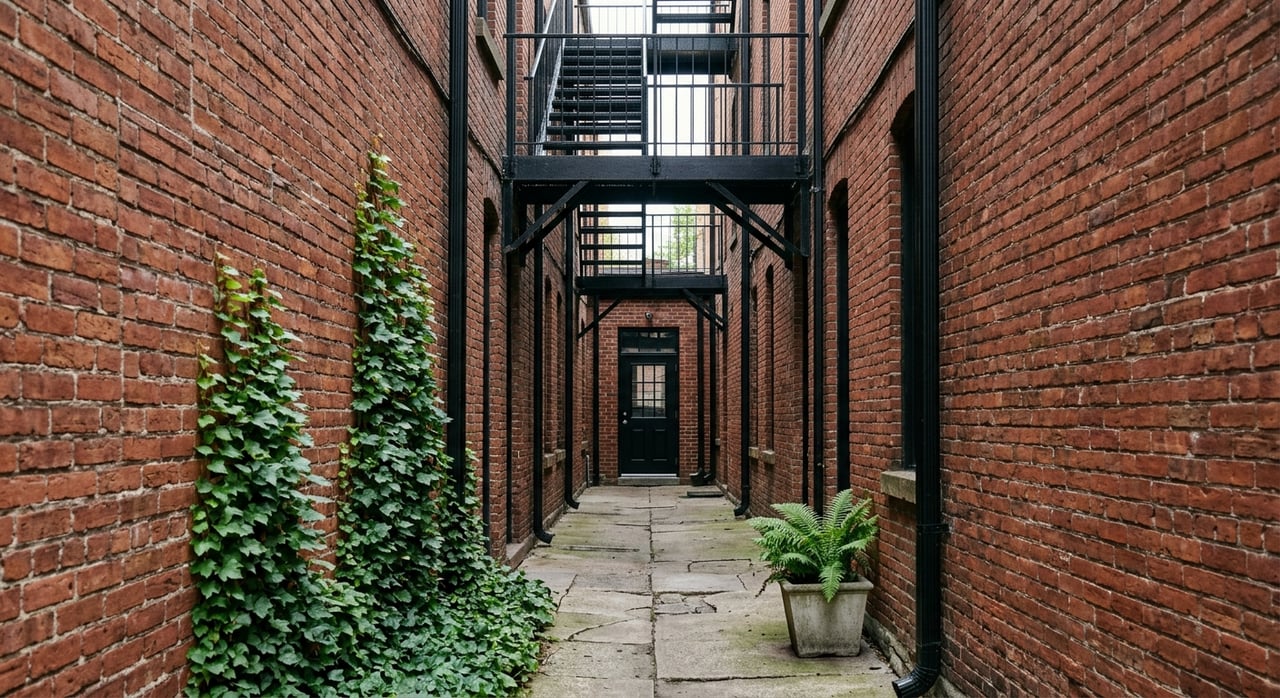
In some Bronx buildings, you may also find landscaped inner courtyards, sunken living rooms, or strong Art Deco design touches. These are not just cosmetic details. They reflect how these homes were originally designed, and they can create a feeling that is hard to duplicate in newer buildings.
Why layouts feel different
If you are used to open-concept apartments, a prewar layout may feel more compartmentalized. Kitchens, living rooms, and bedrooms are often more separate from one another, which some buyers love and others need time to adjust to.
That layout can be a real advantage if you want distinct spaces for working, relaxing, or hosting. It can also make the apartment feel more formal or structured than a newer home. The key is knowing your own lifestyle and whether that style of living fits the way you use space every day.
What daily life is really like
Living in a Bronx prewar apartment is not only about charm. The day-to-day experience often comes down to how the building’s systems work and how well they are maintained.
That means you should pay attention to more than the apartment itself. In many cases, the building’s heat, cooling setup, elevator service, and maintenance culture will shape your daily comfort just as much as the original details inside the unit.
Heat in winter
Many prewar buildings still use steam heat, so the experience can feel very different from living in a home with central air and a modern thermostat. Instead of fine-tuning the temperature room by room, you may be living with radiator heat that follows the building’s overall system.
New York City does set minimum heat requirements. During heat season, from October 1 through May 31, landlords must provide heat when outdoor temperatures fall below 55°F, with indoor temperatures of at least 68°F during the day and at least 62°F overnight. Hot water must also be available year-round at a constant minimum of 120°F.
Cooling in warmer months
Because these buildings were constructed long before central air became standard, many prewar apartments rely on window AC units or retrofit cooling systems. That does not mean they cannot be comfortable in summer, but it does mean cooling may feel less seamless than in newer construction.
If cooling matters a lot to you, ask what the current setup is and whether the building or apartment has any limits on upgrades. This is one of those practical details that is easy to overlook during a showing.
Noise and quiet
Buyers sometimes assume prewar automatically means quiet, but the reality is more mixed. Thick exterior walls can make the apartment feel more solid and enclosed, which many people appreciate.
At the same time, sound can still travel through floors or between units. A prewar apartment may feel quieter in some ways and less quiet in others, so it is smart to visit at different times of day if possible.
Elevators and shared systems
If your building has an elevator, that becomes a meaningful part of daily life. New York City requires current elevator maintenance contracts, and residents must be notified if an elevator will be out of service for planned work or for two hours or more.
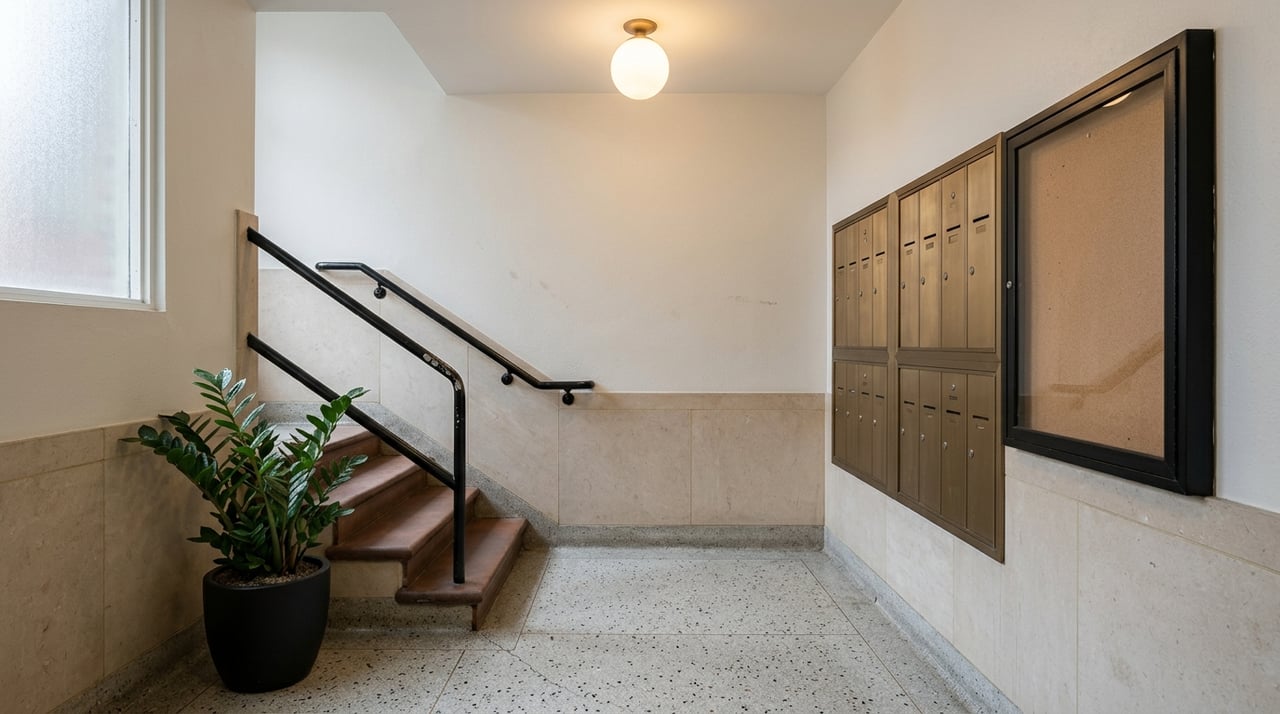
In a larger Bronx building, the quality of shared systems can make a big difference. Hallways, laundry areas, lobbies, elevators, and entry systems all affect how the building lives on a daily basis. A beautiful apartment in a poorly run building can feel very different from a well-maintained home in a building with strong management.
The charm versus maintenance tradeoff
This is the heart of prewar living. You may get beautiful proportions, original details, and a strong sense of history, but you may also inherit older infrastructure.
Some units have been fully updated, while others still have older electrical outlets, wiring, plumbing, or cooling setups. That is why condition matters just as much as age. Two apartments in similar buildings can offer very different ownership experiences.
If you are buying, it is smart to look closely at both the finishes you can see and the systems you cannot. Renovated kitchens and baths are nice, but they do not always tell you whether the electrical or plumbing has been improved.
Historic districts and renovation limits
In parts of the Bronx, exterior changes may be more regulated if a building is landmarked or located in a historic district. The Landmarks Preservation Commission requires approval for most alterations to designated buildings and buildings in historic districts, especially for visible exterior work such as facades and windows.
That does not mean you cannot make changes. It does mean you should understand the rules before you make plans. If you are drawn to a building because of its history and architecture, those protections may be part of what preserves its look over time.
What to look for on a showing
A good prewar showing should focus on the apartment, the building, and the building’s management habits. It is easy to get swept up by moldings, ceiling height, or a dramatic entryway, but the practical details matter just as much.
Here are a few smart things to pay attention to:
- Ceiling height and room proportions
- Window size and natural light
- Floor condition and signs of uneven wear
- Radiator placement and heating setup
- Cooling setup, including window AC or retrofits
- Condition of hallways, lobby, and common areas
- Elevator service, if applicable
- Signs of recent updates to kitchens, baths, plumbing, or electrical
- Any building rules related to alterations or visible exterior changes
Who tends to love Bronx prewar living
Prewar apartments often appeal to buyers who care about character, layout, and architectural detail more than brand-new finishes or open-concept design. If you value charm that feels built in rather than added later, a prewar apartment may feel special the moment you walk in.
They can also work well for buyers who appreciate clearly defined rooms and a home that feels connected to Bronx history. On the other hand, if your top priority is modern systems, central HVAC, and a turnkey layout that feels fully contemporary, you may need to be more selective.
The bottom line on Bronx prewar apartments
Living in a Bronx prewar apartment usually means getting a home with texture, personality, and stronger room proportions than many newer options. It also means paying close attention to how the building operates, how the unit has been updated, and how older systems may affect everyday comfort.
For many buyers, that mix is exactly the appeal. A great prewar apartment is not just about old-world charm. It is about finding a home where the character, condition, and building management all work together.
If you are exploring homes and want help weighing charm against practicality, Maria Porco-Rosa can help you look beyond the surface and focus on what really matters in your next move.
FAQs
What is a prewar apartment in the Bronx?
- A prewar apartment in the Bronx usually means a unit in a building constructed before World War II, often 1939 or earlier, with older architectural details and more traditional layouts.
What does a Bronx prewar apartment usually look like?
- Many Bronx prewar apartments feature high ceilings, hardwood floors, solid wood doors, plaster walls, moldings, generous windows, and sometimes courtyards or sunken living rooms.
Do Bronx prewar apartments feel bigger than they are?
- Often yes, because the ceilings, windows, and room proportions can make the space feel more open and substantial than the square footage alone suggests.
Are Bronx prewar apartments harder to maintain?
- They can be, especially if the unit or building still has older electrical, plumbing, or cooling systems that may need updates over time.
Do Bronx prewar apartments usually have central air?
- Not usually. Many rely on window AC units or retrofit cooling because they were built before central air conditioning became standard.
Are Bronx prewar apartments always quiet?
- Not always. Thick exterior walls can help with outside noise, but sound may still travel through floors or between units.
What should you ask before buying a Bronx prewar apartment?
- Ask about heating, cooling, elevator service, recent system updates, building rules, and whether the building is landmarked or located in a historic district.