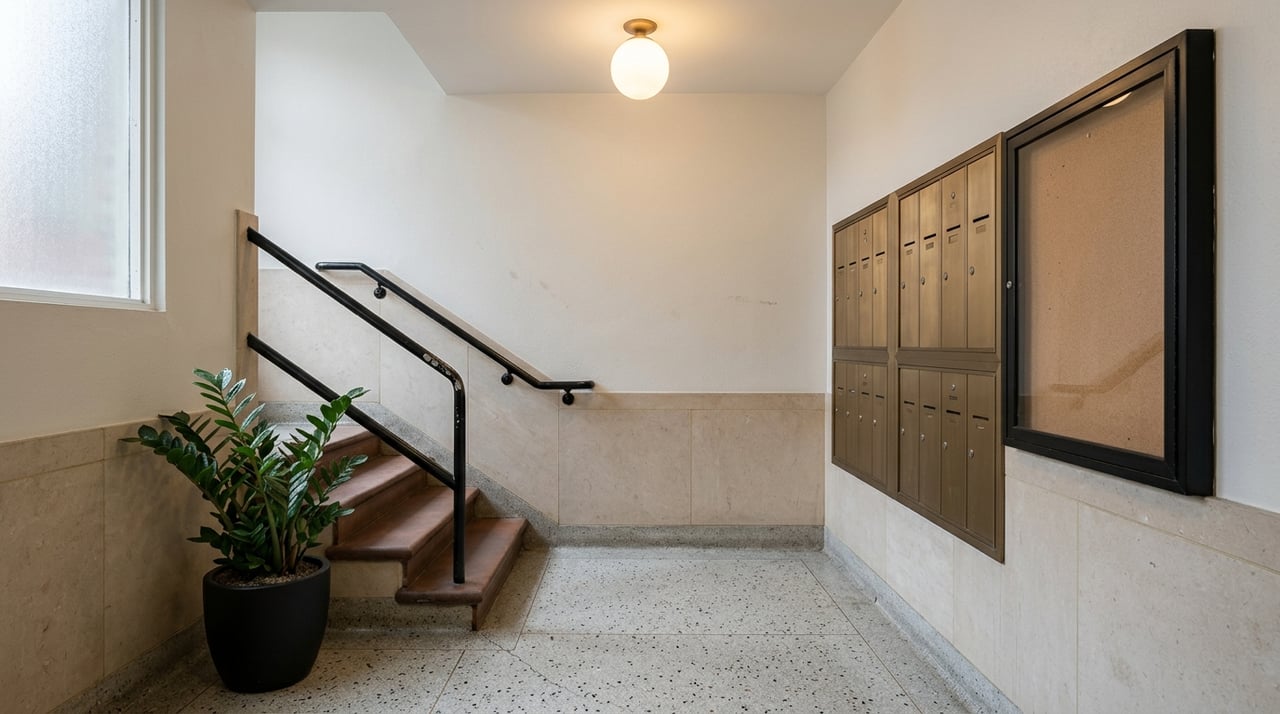
Thinking about buying a Bronx co-op? You are not alone, and you are smart to pause before treating it like a typical home purchase. A co-op can offer a path to ownership in New York City, but the process often depends just as much on board approval, building finances, and house rules as it does on your mortgage. This guide walks you through what makes Bronx co-ops different, how financing usually works, and the rules you need to understand before you move forward. Let’s dive in.
What a Bronx co-op really is
When you buy a co-op in the Bronx, you are not buying deeded real estate in the same way you would with a condo or single-family home. Instead, you are buying shares in a corporation that owns the building, and those shares are tied to a specific apartment.
Your ownership gives you a long-term proprietary lease for that unit. You also pay monthly maintenance, which is typically based on the number of shares allocated to your apartment. That structure makes the building’s documents and the board especially important.
Why co-ops feel different from condos
In a co-op, the bylaws, proprietary lease, certificate of incorporation, house rules, and any offering plan shape much of your ownership experience. That means the apartment matters, but the building itself matters just as much.
Compared with condos, co-ops often involve more control and less flexibility. Transfers commonly require board approval, and that extra step can make resales more complicated than a standard condo or house transaction.
Start by identifying the co-op type
One of the first questions to ask is whether the building is market-rate, HDFC, or Mitchell-Lama. That one detail can affect income eligibility, occupancy rules, subletting rights, and future resale options.
If you skip this step, you can waste time looking at apartments that do not fit your goals or finances. For many Bronx buyers, this is the most practical place to begin.
Why board approval matters so much
In a Bronx co-op, qualifying for a mortgage is only part of the process. You also need to satisfy the board, because boards are elected by shareholders and are expected to follow the building’s governing documents.
That is a major reason co-op buying can feel more document-heavy than other purchases. Approval is not based on one standard citywide checklist, and each building can have its own expectations.
What is usually in a board package
Board application requirements are not standardized, but many packages ask for:
- Recent tax returns
- W-2s or pay stubs
- Bank statements
- Brokerage or investment statements
- Employment verification
- Personal or professional references
- A lender commitment letter if you are financing
Many buildings also require an interview. That interview is often part of the approval process, so it helps to be organized, responsive, and familiar with the building’s rules.
Sponsor control can affect newer buildings
In some newer or recently converted co-ops, the sponsor may still control the board for a period of time. In many conversions, sponsor control ends after more than 50 percent of the shares are sold or after five years from closing, whichever comes first.
This may not affect every buyer directly, but it can matter when you are trying to understand how decisions are made in the building. If a Bronx co-op is a recent conversion, it is worth asking where the building stands in that process.
Read the documents before you commit
This is one of the biggest lessons for first-time co-op buyers. The New York Attorney General recommends reading the full offering plan and consulting an attorney before signing a purchase agreement.
That advice matters because the key risks in a co-op are often hidden in the documents, not in the listing photos. A beautiful apartment can still sit inside a building with weak finances, strict rules, or major repair needs.
Documents worth reviewing carefully
Before you move too far forward, review:
- The offering plan, if available
- Bylaws
- Proprietary lease
- House rules
- Recent financial reports
- Board minutes
- Posted building violations
These records can reveal expensive building-wide issues such as facade repairs, roof work, elevator problems, plumbing issues, electrical upgrades, or boiler replacement. They can also give you a clearer picture of how the board operates.
Look beyond the sales pitch
You should also test appliances and plumbing, check heating and air conditioning, look for leaks, and confirm that the unit matches the offering-plan description. Do not rely only on brochures or verbal statements if they conflict with the formal documents.
That kind of due diligence may feel tedious, but it can protect you from costly surprises after closing. In a co-op, careful review is part of buying smart.
Financing a Bronx co-op
Financing a co-op can be different from financing a house, even if the basics still apply. At the mortgage level, some conventional loans can be available with as little as 3 percent down for qualified buyers, but putting down less than 20 percent usually means mortgage insurance.
In real-world co-op practice, though, the board may care just as much about your liquidity and debt load as your lender does. A common market expectation described in a recent buyer guide is roughly 20 to 30 percent down, low debt, and strong cash reserves, though that is not a universal rule.
Budget for more than the mortgage
One common mistake is focusing only on the loan payment. In a co-op, your monthly maintenance is a separate recurring cost and should be treated as a major part of affordability.
Depending on the building, those monthly charges can range from a few hundred dollars to more than $1,000. When you build your budget, look at the full monthly picture, not just principal and interest.
Strong reserves can improve your chances
Because boards often review your overall financial profile, cash on hand can matter. Larger down payments can lower your monthly payment and may improve approval odds, but reserves can also help show that you are financially prepared for ownership.
That matters even more in a building where future assessments or repair projects could increase your costs. A co-op purchase is not only about getting in. It is also about staying comfortable once you own it.
Special rules for HDFC and Mitchell-Lama co-ops
Not every Bronx co-op follows the same playbook. If the building is part of an affordable program, the rules can be much stricter than in a market-rate co-op.
That is why program status should be one of your first screening questions. It can shape eligibility, occupancy, financing, and resale from day one.
HDFC co-ops
HDFC co-ops generally require owner occupancy, often limit subletting, and may impose flip taxes. Short-term subletting may be allowed with board permission when the shareholder intends to return, but long-term sublets are generally not permitted.
There are also income limits. The statutory income cap is generally 165 percent of area median income, though the building’s governing documents can set stricter limits.
Mitchell-Lama co-ops
Mitchell-Lama co-ops are designed for moderate- and middle-income households. They require primary residence and usually have their own application and waitlist systems.
City-supervised Mitchell-Lama co-ops also generally do not accept guarantors. House rules are important here too, because repeated or serious violations can lead to charges and, in some cases, eviction proceedings.
House rules can shape daily life
Many buyers focus on price, layout, and location first. Those things matter, but house rules can affect your day-to-day experience just as much after you move in.
In regulated co-ops, house rules commonly cover pets, garbage disposal, noise, move-ins and move-outs, alterations, smoking, and e-bikes. These are not minor details if they affect how you plan to live in the apartment.
Pay close attention to subletting and alterations
If you think you may need flexibility later, look closely at subletting rules before you buy. This is especially important in HDFC and Mitchell-Lama buildings, where occupancy and subletting restrictions can be stricter.
If you plan to renovate, review alteration rules just as carefully. Some buildings have detailed approval requirements that can affect timing, cost, and scope.
A smart Bronx co-op buying strategy
The safest approach is to judge the building as carefully as the apartment. A great unit in a troubled building can become a stressful purchase, while a well-run building can support long-term value and a smoother ownership experience.
A practical strategy is to line up an attorney before making an offer and work with a lender who understands co-op financing. From there, let the offering plan, financials, board minutes, and house rules guide your decision.
Your co-op checklist
Before you move forward, make sure you can answer these questions:
- Is the building market-rate, HDFC, or Mitchell-Lama?
- What are the monthly maintenance charges?
- What down payment and reserves will the board likely expect?
- Are there upcoming repairs or violations in the building?
- What do the house rules say about pets, subletting, move-ins, and renovations?
- Is there an interview or detailed board package requirement?
- If it is a conversion, is the sponsor still in control?
The more clearly you can answer these questions, the more confident you can feel about your next step.
Buying a Bronx co-op can absolutely be worth it, but it rewards buyers who do their homework early. If you want a steady, informed approach to sorting through the details, reach out to Maria Porco-Rosa for guidance.
FAQs
What does buying a Bronx co-op mean?
- It means you are buying shares in the corporation that owns the building, and those shares give you a proprietary lease for a specific apartment.
What documents should you review before buying a Bronx co-op?
- You should review the offering plan, bylaws, proprietary lease, house rules, financial reports, board minutes, and any posted building violations.
What does a Bronx co-op board package usually include?
- A board package often includes tax returns, income documents, bank and brokerage statements, employment verification, references, and a lender commitment letter if you are financing.
How much down payment do Bronx co-op buyers usually need?
- Some conventional loans may allow as little as 3 percent down for qualified buyers, but many co-op boards often expect stronger down payments, low debt, and solid cash reserves.
What monthly costs should you expect with a Bronx co-op?
- You should plan for both your mortgage payment and monthly maintenance charges, which are separate and can be a major part of your housing cost.
What is the difference between a market-rate Bronx co-op and an HDFC or Mitchell-Lama co-op?
- Market-rate co-ops generally offer more standard ownership terms, while HDFC and Mitchell-Lama co-ops can have added income, occupancy, subletting, and resale restrictions.
Can you sublet a Bronx co-op apartment later?
- It depends on the building, and restrictions are often tighter in HDFC and Mitchell-Lama co-ops, so you should review subletting rules before buying.