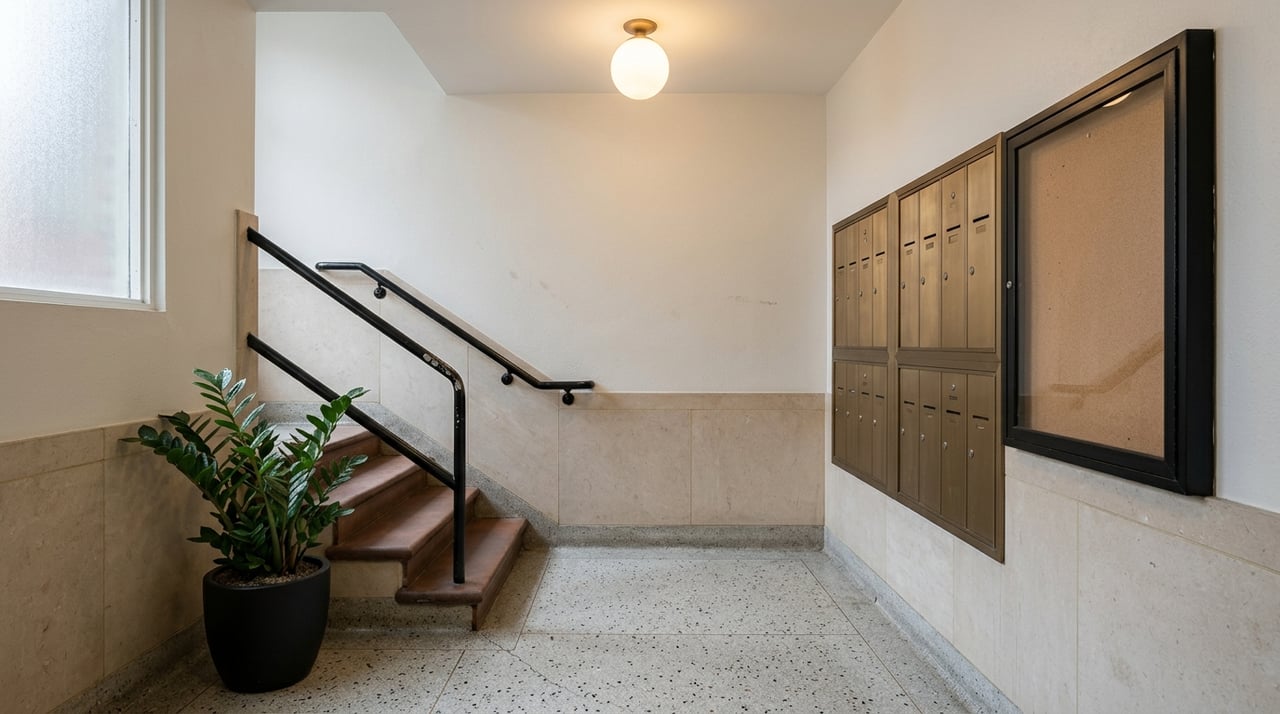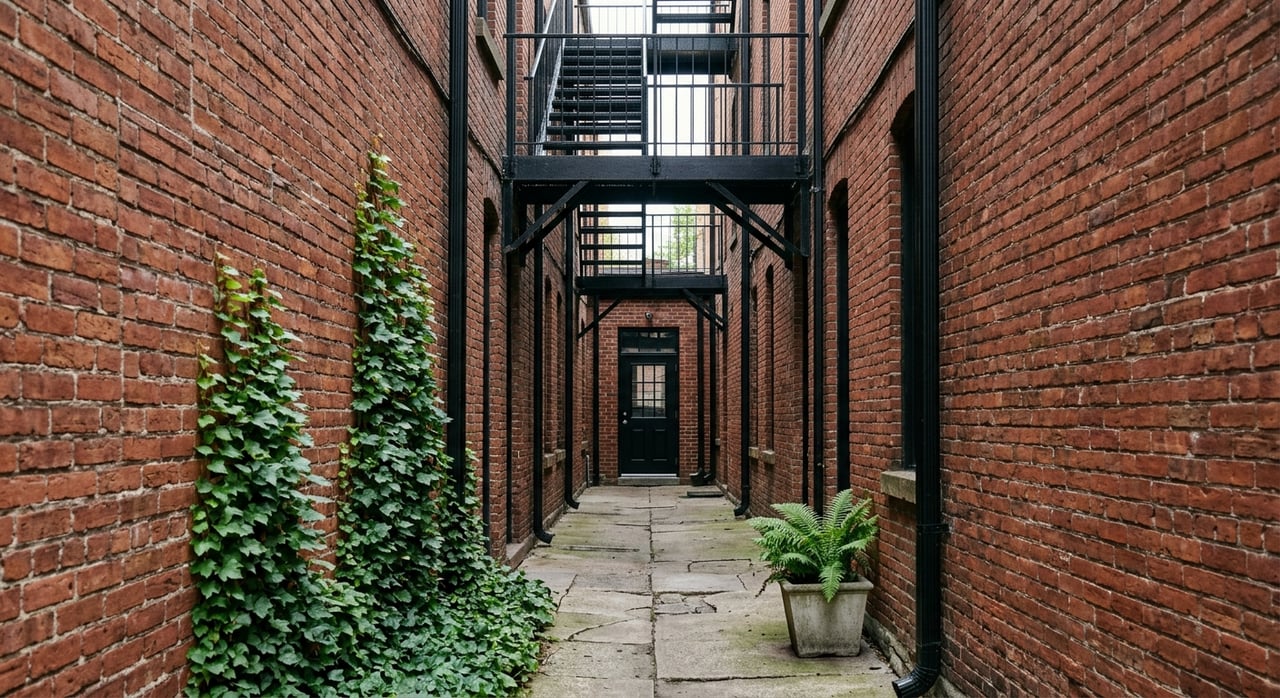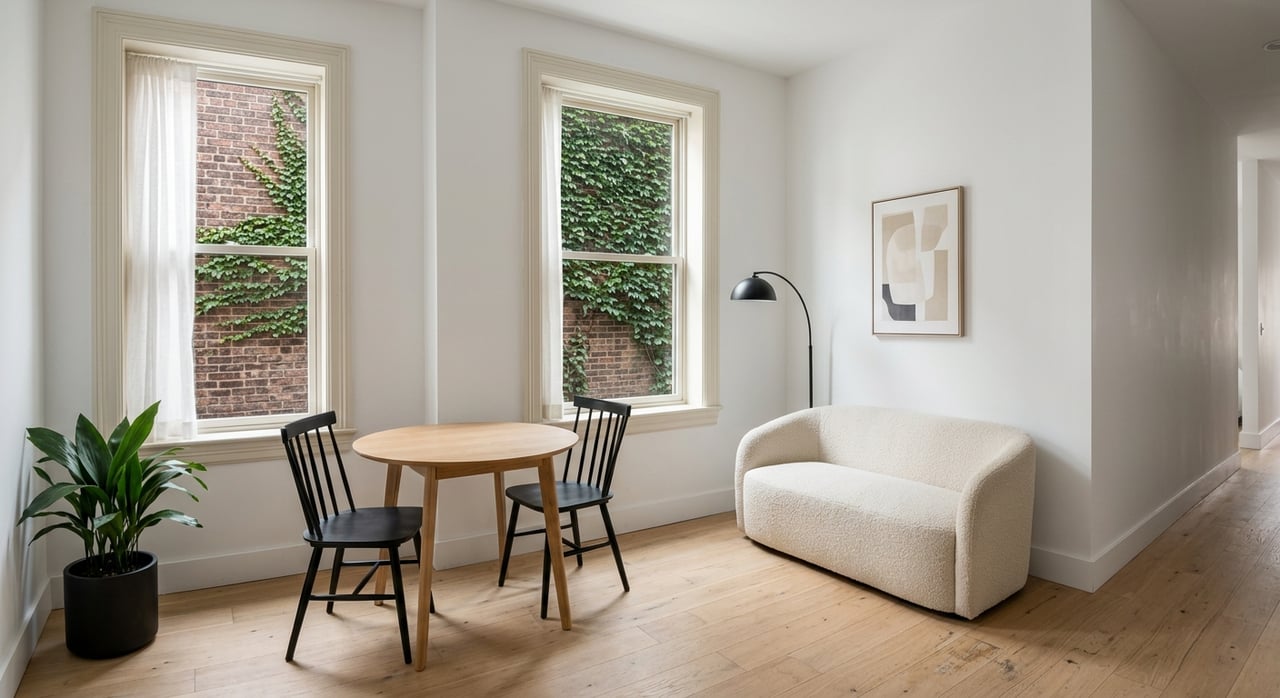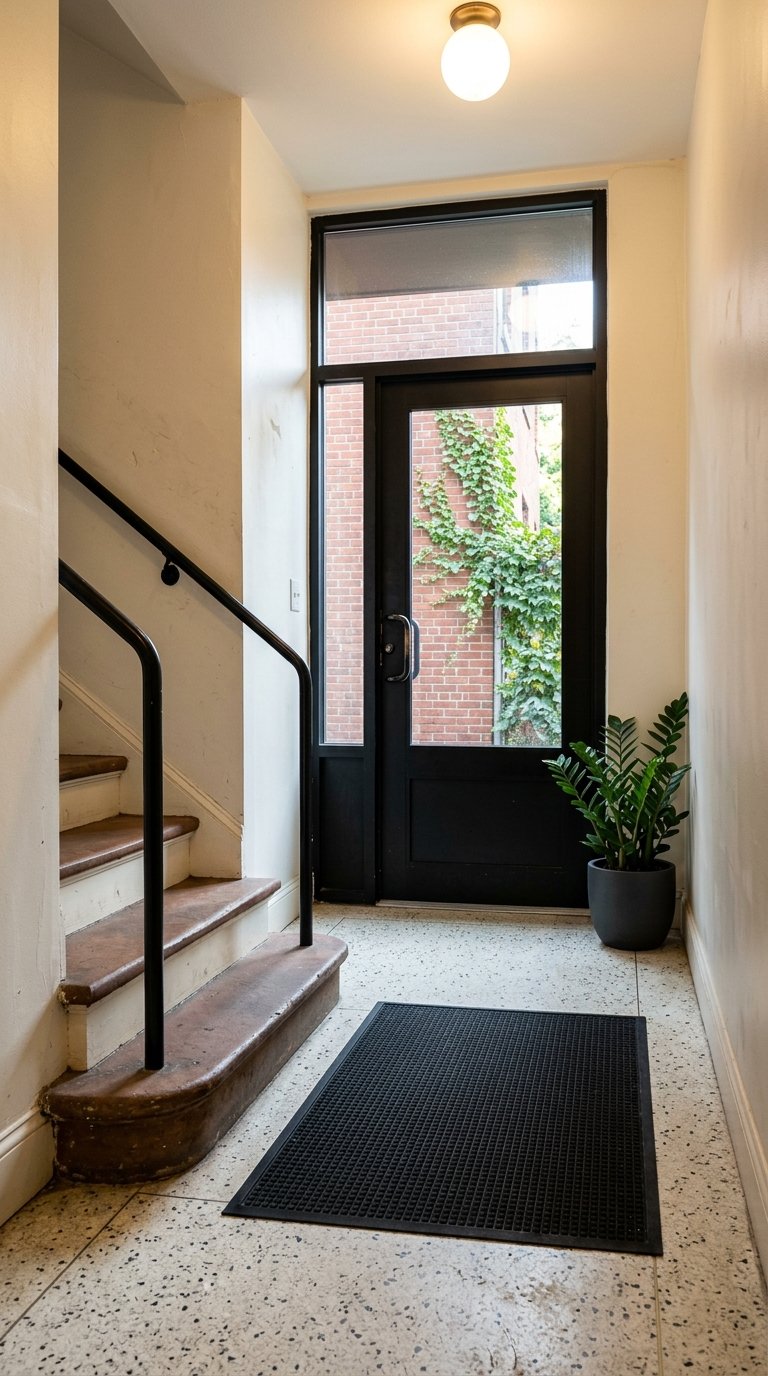
If you own, or hope to buy, a historic property in the Bronx, you are not just getting square footage. You are stepping into a piece of New York City’s architectural story. That can be exciting, but it also raises practical questions about permits, repairs, taxes, and what you can actually change. This guide will help you understand how Bronx historic architecture shapes ownership, costs, and long-term value. Let’s dive in.
Bronx Historic Architecture Covers More Than One Style
The Bronx has a broad mix of landmarked architecture, not one single historic look. According to the NYC Landmarks Preservation Commission’s Bronx historic district page, the borough includes 13 historic districts, including Mott Haven, Mott Haven East, Longwood, Grand Concourse, Perry Avenue, Fieldston, and Riverdale. That range gives you everything from rowhouse blocks to apartment-building corridors to more suburban-style enclaves.
For owners, that matters because the type of historic building you own often shapes the kind of maintenance, approvals, and upgrades you may face. A rowhouse and a prewar apartment building can both be historic, but the ownership experience can look very different.
Rowhouses Tell the Early Story
Mott Haven East shows how early rowhouse development took shape in the Bronx. In its designation report, LPC describes the area as one of the oldest settled parts of the borough and says it was the first part of the Bronx developed with rowhouses. The buildings were constructed between 1889 and 1903 and include neo-Grec, Queen Anne, Renaissance-inspired, and Flemish Revival designs, according to the Mott Haven East Historic District designation report.
If you own a rowhouse in a historic district, exterior details often matter just as much as the structure itself. Windows, cornices, doors, ironwork, and masonry all help define the home’s architectural identity.
Apartment Buildings Mark a Later Era
By the early 20th century, parts of the Bronx shifted toward larger apartment houses. LPC’s Perry Avenue Historic District report notes that the district’s nine Queen Anne-style houses date to 1910 through 1912, while the surrounding Bedford Park area later changed as larger apartment houses were built from the 1920s through the 1950s.
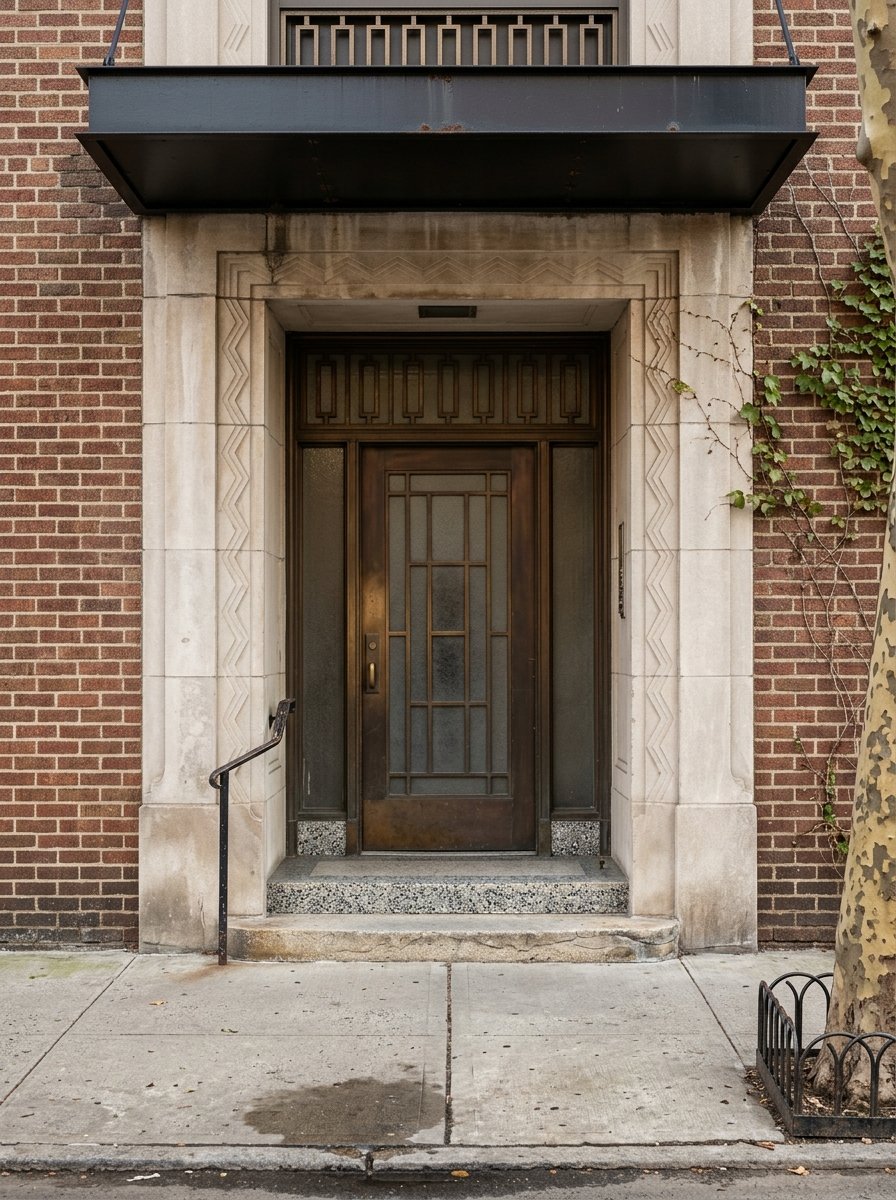
The Grand Concourse stands out as one of the borough’s most recognizable historic apartment-building areas. LPC’s Grand Concourse designation materials identify 1000 Grand Concourse as a 1935 Art Deco apartment building and the first apartment building on the boulevard to rise above six stories. If you are drawn to prewar buildings, decorative facades, and classic lobby-era design, this part of the Bronx is especially notable.
What Landmark Status Means for Owners
A building does not need to be individually famous to be protected. In New York City, a property may be an individual landmark or part of a historic district, and the practical effect is similar. LPC explains on its landmark designation page that every designated structure is protected under the Landmarks Law and follows the same review procedures.
The biggest takeaway is simple: most exterior alterations need LPC approval before work begins. Routine exterior maintenance, such as replacing broken glass or repainting a door the same color, generally does not require that same level of review.
Which Projects Usually Need Review
If work affects protected features or falls outside LPC rules, you may need a Certificate of Appropriateness or another permit. LPC says on its Certificate of Appropriateness page that many applications are handled at staff level, while others must go before the full Commission at a public hearing.
That process can affect your timeline, especially if your project is more visible or changes historic materials. Owners pursuing a Certificate of Appropriateness also need to present the proposal to the local community board before the LPC public hearing.
Why Rowhouse Owners Need to Plan Ahead
For rowhouse owners, LPC’s Rowhouse Manual is one of the most useful resources available. It focuses on the exterior features owners deal with most often, including air conditioners, windows, doors, walls, cornices, and ironwork.
This matters because many Bronx rowhouses are valued in part for those exact details. If you plan repairs early and understand the rules before hiring contractors, you can often avoid delays and redesign costs.
Maintenance Matters More in Older Buildings
Historic ownership usually comes with a stronger maintenance mindset. Older masonry, decorative trim, stoops, and metalwork can add lasting character, but they also need consistent attention.
For taller buildings, there may be city safety requirements on top of landmark review. The NYC Department of Buildings says on its Facade Safety and Inspection Program page that buildings taller than six stories must have exterior walls and appurtenances inspected every five years. In a prewar apartment building or co-op, facade work can become both a code issue and a landmark issue at the same time.
Common Ownership Realities
If you own a historic property in the Bronx, these are some of the most common practical realities:
- Exterior work may require review before construction starts
- Original materials may need repair instead of simple replacement
- Timelines can stretch if public review is required
- Building envelope maintenance can directly affect value and safety
- Good planning often reduces surprise costs later
In short, these homes and buildings reward owners who stay ahead of maintenance rather than react to problems after they grow.
Historic Status Can Affect Finances Too
Historic architecture is not only about design. It can also shape your financial picture through tax credits, renovation rules, and potential value trends.
For some owner-occupants, New York State offers a meaningful preservation-related tax break. The New York State historic homeownership rehabilitation credit may apply to an owner-occupied residential structure, including a condominium or cooperative, if it meets the eligibility rules. The credit equals 20% of qualified rehabilitation expenses, up to $25,000 per taxpayer per year, and unused credit can be carried forward indefinitely.
Federal and State Credits Are Not the Same
This is where many buyers get confused. The federal historic rehabilitation credit is much narrower for typical homeowners. The National Park Service explains in its eligibility requirements that the 20% federal credit applies only to income-producing properties, such as commercial, industrial, agricultural, rental residential, or apartment uses. Owner-occupied residences do not qualify.
That means a personal residence and an income-producing property may have very different tax opportunities, even if both are historic.
Historic Character May Support Value
Historic district status can also influence property value, though not in the exact same way everywhere. A Furman Center study on historic districts and house prices found that properties near historic districts and homes inside districts in New York City often showed stronger relative value growth on average after designation. The study also notes that effects vary by neighborhood and are not uniform across the city.
For you as an owner, the main point is balance. Architectural character and neighborhood distinctiveness can support long-term demand, but stricter rules may limit how freely you can alter or redevelop a property.
What Buyers Should Check Before Closing
If you are considering a historic property in the Bronx, do not wait until after contract to learn the rules. Start by verifying whether the property is individually landmarked or located in a historic district.
LPC says owners and buyers can use the Discover NYC Landmarks map and related landmark status tools to confirm designation status. You can also check DOB BIS or call 311 for help, according to LPC. That one step can save you from making assumptions about renovation plans that may not be realistic.
Smart Questions to Ask Early
Before you move forward, ask questions like:
- Is the property individually landmarked or inside a historic district?
- Which exterior features are likely to be protected?
- Has prior exterior work already been approved by LPC?
- Are there known facade or masonry issues?
- If the building is over six stories, when was the last facade inspection filed?
- Could planned improvements qualify for the New York State rehabilitation credit?
These questions help you move from admiring a building’s charm to understanding its ownership reality.
What Historic Architecture Really Means for Owners
Owning historic property in the Bronx often means owning something visually distinctive and deeply tied to the borough’s development. From Mott Haven rowhouses to Grand Concourse Art Deco apartment buildings, these properties can offer character that is hard to duplicate in newer construction.
At the same time, ownership comes with responsibility. The more historically significant the building or district, the more likely you are to deal with review, documentation, and carefully sequenced repairs instead of open-ended remodeling. If you go in with clear expectations, historic ownership can feel less restrictive and more like thoughtful stewardship.
If you are weighing the pros and tradeoffs of buying or selling a character property, working with an advisor who values both architecture and practical planning can make the process smoother. When you are ready for guidance, connect with Maria Porco-Rosa for a more informed real estate conversation.
FAQs
What does historic district status mean for a Bronx homeowner?
- It means the property is protected under New York City’s Landmarks Law, and most exterior alterations require LPC approval before work begins.
How can you check if a Bronx property is landmarked?
- You can use the Discover NYC Landmarks map, check DOB BIS, or call 311, as directed by LPC.
Do Bronx rowhouse owners need LPC approval for every repair?
- No. LPC says ordinary exterior maintenance, such as replacing broken glass or repainting a door the same color, generally does not require the same review as larger exterior changes.
Can owner-occupied historic homes in the Bronx qualify for tax credits?
- Yes, some may qualify for the New York State historic homeownership rehabilitation credit if the property and project meet the state’s eligibility rules.
Does the federal historic tax credit apply to a personal residence in the Bronx?
- No. The federal 20% historic rehabilitation credit applies only to income-producing properties, not owner-occupied residences.
Why do historic Bronx apartment buildings need extra facade attention?
- Many are older, taller buildings, and those over six stories must follow the city’s Facade Safety and Inspection Program every five years.