What if you could buy into one of New York City’s tightest rental markets and let steady demand do the heavy lifting? If you are eyeing Bronx multifamily or long‑term rentals, you are on the right track. In this guide, you will learn how to read the numbers, what building types to expect, how to underwrite and finance deals, and where the risks hide. Let’s dive in.
Why Bronx rentals work for investors
Demand is strong, vacancy is low
The Bronx has very limited available rental inventory. The 2023 NYC Housing and Vacancy Survey reported net rental vacancy around 0.8% in the Bronx, which signals tight supply and low turnover. This backdrop has supported rent gains and quick re‑renting in many neighborhoods. You should assume strong baseline demand while still underwriting conservatively. NYCHVS 2023 initial findings
Rents to use in your model
Know the difference between collected rents and asking rents. Survey‑based, collected rents from NYCHVS show a lower Bronx median of about $1,280 per month in 2023 because they include long‑term stabilized and subsidized units. Listing‑based reports show higher asking rents in fast‑changing areas like Mott Haven, Concourse or Riverdale. Use survey medians to sanity‑check stabilized cash flow and use current neighborhood reports for market rent comps when units turn. NYCHVS 2023 initial findings MNS Bronx year‑end 2024
What you will find for sale
Small walk‑ups and mixed stock
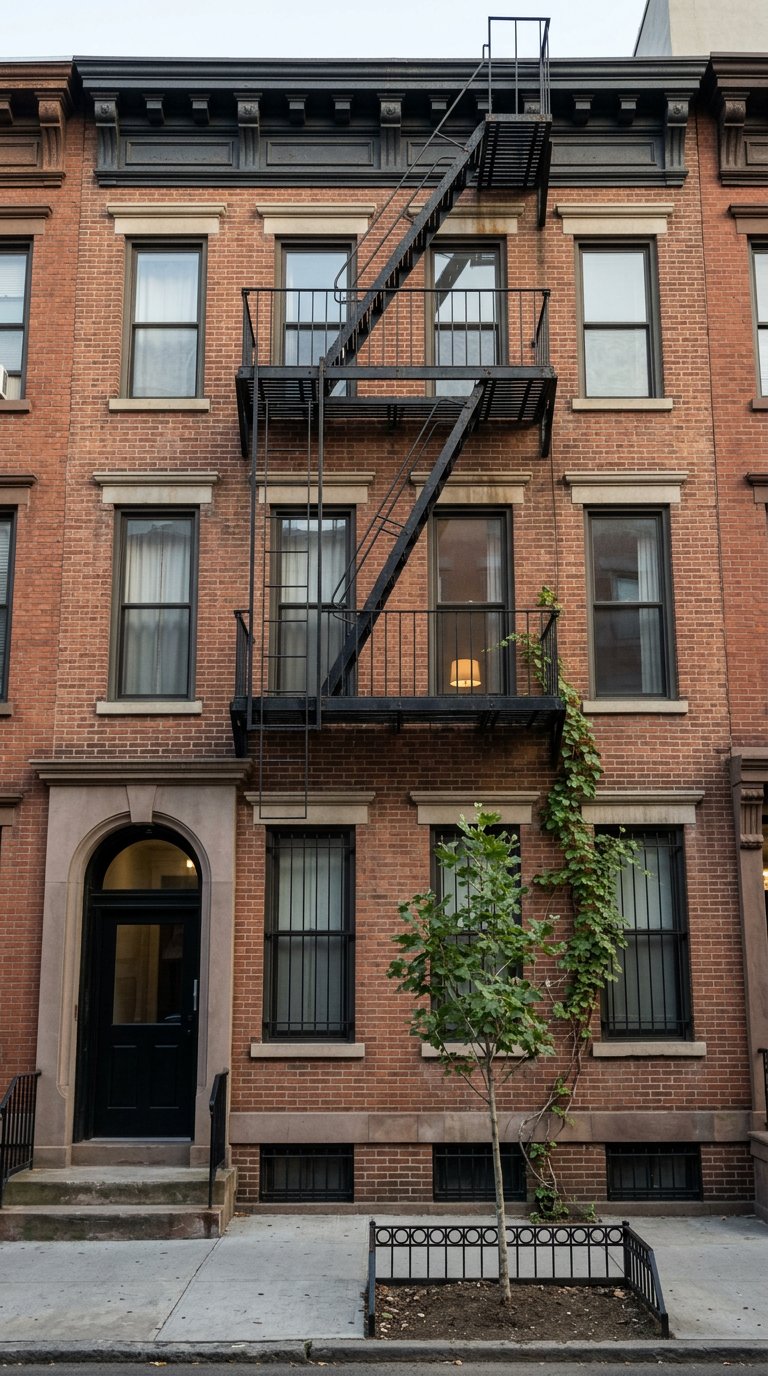
Expect many 2–6 unit walk‑ups and older masonry buildings across the borough. A large share of these pre‑1974 properties include rent‑stabilized units, which affects cash flow growth and capex needs. You will also see public or affordable housing nearby, which matters for neighborhood context and rent comps. NYCHVS 2023 initial findings
Newer mid‑rises in the South Bronx
Parts of the South Bronx, especially Mott Haven and Port Morris, have seen new, larger projects with elevator service and amenities. Newer, market‑rate buildings tend to trade at lower cap rates than older stabilized stock, but they may offer clearer revenue visibility and lower immediate capex. Multifamily Dive coverage of a new Bronx tower
How to value a Bronx multifamily
Cap rates and real sales examples
At the metro level, reports show average cap rates moving into the mid‑6% range recently, with the Bronx commonly trading above the 7% band. In practice, local deals vary widely based on regulation, condition and location. For example, a 53‑unit elevator building sold at roughly an 8.1% cap, while a distressed 26‑unit Fordham asset traded closer to a 9.9% cap. Taken together, these sales show real dispersion and the need for careful underwriting. IPA NYC Multifamily Market Report Mann Report example at ~8.1% Mann Report Fordham at ~9.9%
Price per unit and GRM cues
Heavily stabilized pre‑1974 buildings often sell for lower prices per unit and show higher headline cap rates, but they also tend to have tighter margins and greater maintenance needs. A recent analysis cited typical Bronx per‑unit pricing around the low $100k range for fully stabilized assets in a 12‑month sample. As a quick screen, many investors also compare gross rent multipliers in the single digits for value‑add walk‑ups. Always test GRM against a full NOI model before relying on it for offers. IPA NYC Multifamily Market Report NYU Furman Center legacy stock brief
Due diligence checklist before you offer
Documents and records
- Rent roll vs. leases. Confirm legal rents, any preferential rents, concession history, and actual collected income. In stabilized buildings, legal and collected rents can differ. NYCHVS 2023 initial findings
- Rent stabilization status. Verify whether each unit is regulated and review the rules. Regulation changes upside, timelines and exit options. NYS HCR rent stabilization guidance
- Income and expense history. Review Department of Finance filings and the seller’s P&L to anchor expenses and NOI. Furman Center analysis highlights why older stabilized properties often show tighter margins. NYU Furman Center legacy stock brief
- HPD violations and building condition. Check open violations and budget for remediation and deferred maintenance, which are more common in legacy stabilized stock. NYU Furman Center legacy stock brief
- Expenses and reserves. A common small multifamily underwriting approach uses a 30%–50% expense ratio including taxes, a 3%–6% management fee if outsourced, and a capital reserve line. Many lenders underwrite about $200–$400 per unit per year for reserves, then adjust for age and systems. SEC filing example on reserves
- Vacancy and loss. Even though net vacancy is about 0.8% borough‑wide, use a conservative 3%–7% allowance, and higher if you plan renovations or a lease‑up. NYCHVS 2023 initial findings
First 30‑minute model check
- Validate NOI by tying the rent roll to deposits and matching trailing expenses to actuals.
- Test yield across base, stress and upside cases. Sensitize for cap rate movement and interest rates.
- Check lender metrics early. Many agency small balance programs look for DSCR at or above about 1.25x on stabilized deals. Freddie Mac SBL insight
Financing options for 1–50 units
- 1–4 unit properties. If you plan to live in one unit, conventional residential financing may allow lower down payments and straightforward underwriting. Pure investment loans for 1–4 units are also common, with terms that differ by lender.
- 5+ unit properties. Agency small balance programs are the go‑to for stabilized 5–50 unit buildings. Freddie Mac SBL and similar small‑loan programs often target loans of about $1 million to $7.5 million with competitive fixed or ARM terms. Expect DSCR minimums near 1.25x, LTV in the 65%–80% band, and 25–30 year amortization on stabilized assets. Bridge and local bank loans can help with faster closings or heavy‑lift plans that do not yet meet agency standards. Freddie Mac SBL insight
Manage risk and scale with a plan
- Pick a neighborhood and asset that match your strategy. The South Bronx has seen larger new projects and faster asking‑rent growth, while other districts hold more stabilized inventory. Align a buy‑and‑hold plan or value‑add plan with real local trends. MNS Bronx year‑end 2024 Multifamily Dive coverage of a new Bronx tower
- If buying stabilized stock, stay conservative. Assume modest, legally allowed rent increases and plan for deferred maintenance and regulatory compliance. This segment often shows tighter operating margins. NYU Furman Center legacy stock brief
- Run with explicit reserves and a local operator. Budget at least $200–$400 per unit per year for reserves in your base case, then scale up for older systems. Hire management with Bronx experience and plan for legal, registration and tenant‑relations costs. SEC filing example on reserves
- Scale in steps. A common path is to start with an owner‑occupied 2–3 unit, then add a 3–6 unit property with a local bank, and graduate to 5–50 unit stabilized assets that qualify for agency small balance loans once you have the track record and numbers. Freddie Mac SBL insight
Ready to run your numbers?
The Bronx rewards investors who underwrite with discipline. Model with survey‑based rent baselines, verify regulation and expenses line by line, and keep capex and vacancy allowances realistic. If you want a second set of eyes on your approach or a warm referral through a trusted network, reach out. Connect with Maria Porco‑Rosa to talk through your next move.
FAQs
What are typical Bronx multifamily cap rates in today’s market?
- Bronx assets often trade above the 7% band, with deals ranging roughly from the mid‑6% to low double digits depending on regulation and condition, as shown in recent broker reports and sales. IPA NYC Multifamily Market Report
How do rent‑stabilized units affect investment upside in the Bronx?
- Stabilized units limit near‑term rent growth and often come with higher maintenance and compliance needs, so they typically trade at lower prices per unit but require stronger reserves and patience. NYU Furman Center legacy stock brief
What vacancy rate should I underwrite for a Bronx rental property?
- Even with net rental vacancy near 0.8% borough‑wide, many investors underwrite a 3%–7% vacancy and loss allowance and use higher assumptions if planning renovations or a lease‑up. NYCHVS 2023 initial findings
Which loans work best for 5–50 unit Bronx multifamily deals?
- Agency small balance programs are common for stabilized assets in this size range, with DSCR minimums near 1.25x and LTV often in the 65%–80% band, plus 25–30 year amortization. Freddie Mac SBL insight
How much should I budget for reserves and capex in older Bronx buildings?
- A typical starting placeholder is $200–$400 per unit per year in reserves, then adjust for the building’s age and systems and any deferred maintenance revealed in inspections. SEC filing example on reserves